Motion JPEG
- This module can provide and receive streams in MJPEG format.
- This module is also responsible for receiving snapshots in JPEG format.
- This module also supports streaming to the server console (terminal) in the animated ASCII art format.
MJPEG Client
Important. For a stream in MJPEG format, your source MUST contain the MJPEG codec. If your stream has the MJPEG codec, you can receive an MJPEG stream or JPEG snapshots via the API.
You can receive an MJPEG stream in several ways:
- some cameras support MJPEG codec inside RTSP stream (ex. second stream for Dahua cameras)
- some cameras have an HTTP link with MJPEG stream
- some cameras have an HTTP link with snapshots - go2rtc can convert them to MJPEG stream
- you can convert an H264/H265 stream from your camera via FFmpeg integration
With this example, your stream will have both H264 and MJPEG codecs:
streams:
  camera1:
    - rtsp://rtsp:12345678@192.168.1.123/av_stream/ch0
    - ffmpeg:camera1#video=mjpeg
MJPEG Server
mpjpeg
Output a stream in MJPEG format. In FFmpeg, this format is called mpjpeg because it contains HTTP headers.
ffplay http://192.168.1.123:1984/api/stream.mjpeg?src=camera1jpeg
Receiving a JPEG snapshot.
curl http://192.168.1.123:1984/api/frame.jpeg?src=camera1- You can use
width/wand/orheight/hparameters. - You can use
rotateparam with90,180,270or-90values. - You can use
hardware/hwparam read more. - You can use
cacheparam (1m,10s, etc.) to get a cached snapshot.- The snapshot is cached only when requested with the
cacheparameter. - A cached snapshot will be used if its time is not older than the time specified in the
cacheparameter. - The
cacheparameter does not check the image dimensions from the cache and those specified in the query.
- The snapshot is cached only when requested with the
ascii
Stream as ASCII to Terminal. This format is just for fun. You can boast to your friends that you can stream cameras even to the server console without a GUI.
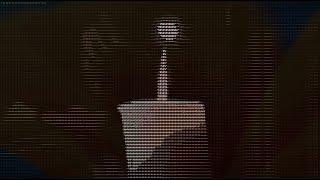
The demo video features a combination of several settings for this format with added audio. Of course, the format doesn't support audio out of the box.
Tips
- this feature works only with MJPEG codec (use transcoding)
- choose a low frame rate (FPS)
- choose the width and height to fit in your terminal
- different terminals support different numbers of colors (8, 256, rgb)
- URL-encode the
textparameter - you can stream any camera or file from disk
go2rtc.yaml - transcoding to MJPEG, terminal size - 210x59 (16/9), fps - 10
streams:
  gamazda: ffmpeg:gamazda.mp4#video=mjpeg#hardware#width=210#height=59#raw=-r 10
API params
color- foreground color, values: empty,8,256,rgb, SGR- example:
30(black),37(white),38;5;226(yellow)
- example:
back- background color, values: empty,8,256,rgb, SGR- example:
40(black),47(white),48;5;226(yellow)
- example:
text- character set, values: empty, one character,block, list of chars (in order of brightness)- example:
%20(space),block(keyword for block elements),ox(two chars)
- example:
Examples
% curl "http://192.168.1.123:1984/api/stream.ascii?src=gamazda"
% curl "http://192.168.1.123:1984/api/stream.ascii?src=gamazda&color=256"
% curl "http://192.168.1.123:1984/api/stream.ascii?src=gamazda&back=256&text=%20"
% curl "http://192.168.1.123:1984/api/stream.ascii?src=gamazda&back=8&text=%20%20"
% curl "http://192.168.1.123:1984/api/stream.ascii?src=gamazda&text=helloworld"
yuv4mpegpipe
Raw YUV frame stream with YUV4MPEG header.
ffplay http://192.168.1.123:1984/api/stream.y4m?src=camera1Streaming ingest
ffmpeg -re -i BigBuckBunny.mp4 -c mjpeg -f mpjpeg http://localhost:1984/api/stream.mjpeg?dst=camera1